Coach Training · Six Weeks
A small, hands-on training in client-centered coaching. You'll learn the philosophy, drill the technique, and coach real people every single week — with feedback from both of us.
Ten seats. Starts the first week of October.
Why This Exists
Most people who start coaching do the thing that feels obvious: they explain. They see the mistake, they know the fix, and they hand it over. The student nods, agrees, thanks them — and plays the same way next week.
It isn't a knowledge problem. It's that understanding something you were told is not the same as owning it. What sticks is what a person works out inside their own frame, in their own words, for their own reasons. The coach's job is to make that possible — which is a completely different craft from being right.
This course teaches that craft.
The Approach
Borrowed from client-centered therapy and adapted to competitive performance. The premise: the person in front of you already holds most of what they need. Your job is to create the conditions for them to find it — not to install your version of the answer on top of theirs.
You hold the answer and transfer it. You lead with your read, your framework, your way of seeing the spot. Progress means the student understood you. It works — right up until the student faces something you never covered, and has no way to think it through on their own.
You hold the process and they hold the content. You ask, listen, reflect, and stay out of the way while they do the actual thinking. Progress means they can now get somewhere on their own that they couldn't reach before — including on the days you aren't there.
This isn't a rule against ever teaching. Knowledge matters, and there are moments to simply give it. The skill is knowing which moment you're in — and noticing when you've slipped into explaining because it's comfortable for you, not because it's useful for them.
Who This Is For
The Syllabus
The material runs on three tracks at once: the philosophy behind why client-centered work changes people, the technique you use in the room, and the practice where you try it and get told the truth about how it went.
Where the approach comes from and what it assumes about people. The core move — holding the process while the client holds the content — and why that produces change that lasts past the session. This frame runs underneath everything else here.
Reading a client accurately before you do anything else. How to find what someone already does well and build from it, instead of opening with a list of repairs. Also: how people mis-report their own game, and what to do when their self-assessment and your read don't match.
The concrete moves of a session. Questions that open a line of thinking versus questions that quietly close it. Silence, and how long to leave it. When to follow the thread the client offers and when to name the thing they're circling.
Getting to what the client actually cares about — which is often not the goal they stated in the first ten minutes. Without this, you optimize the wrong thing very efficiently. The harder half: keeping your own values from becoming their plan without either of you noticing.
Setting the frame of the relationship out loud. What coaching can and can't do, who owns the work between sessions, what progress actually looks like, and how to handle the stretch where the effort is real but the results haven't arrived yet.
The different routes into a person's development — strategy, process, mindset, lifestyle, self-knowledge — and how to pick the one with the most leverage rather than the one you're most comfortable working in. Most coaches have a default avenue. Part of this is finding yours and getting free of it.
Hearing what's underneath what was said, reflecting it back accurately, and checking instead of assuming. The skill that makes every other skill on this list work — and the one most people believe they already have.
Turning a good conversation into something that changes the week. Commitments the client authors rather than accepts, sized so they'll actually happen, and followed up on in a way that supports instead of grades.
How It Runs
You can't learn this from watching. Every week has content, discussion, and real coaching that you do yourself.
The week's session lands ahead of the group call. You come in having already met the material, so the live time isn't spent lecturing.
A live call with Kevin, Jared, and the rest of the cohort. We work through the week's topic together, pressure-test it, and measure it against real situations from your coaching.
You're paired with another student for a one-on-one session each week — taking turns as coach and as client. Being coached badly teaches you as much as coaching does.
Not feedback on your theory. We look at how you're really running sessions — the questions you reach for, the moments you take over, the openings you miss — and tell you plainly what we see.
One-on-one time with Jared during the course to work on your coaching specifically: your habits, your clients, and the parts of this that are hardest for you in particular.
Your Instructors
That's the point. You'll see the same principles applied through two distinct styles, which makes it far easier to find your own instead of copying ours.
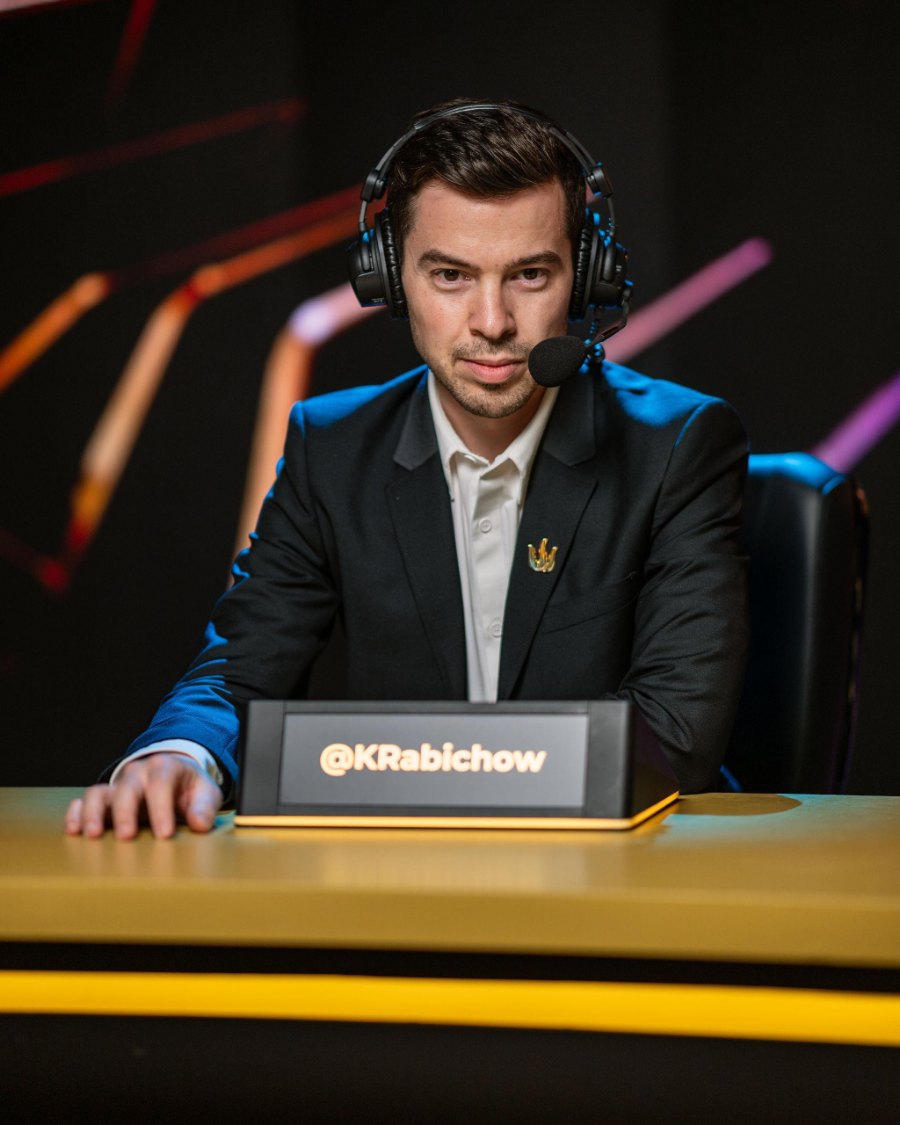
Kevin is a high-stakes professional with over $7M in earnings and a long track record of teaching — known for breaking down complicated ideas without flattening them, and for coaching that respects how a player already thinks.
He brings the strategic rigor: how to stay genuinely client-centered when the subject matter is technical, and how to guide someone toward a better answer without simply handing them yours.
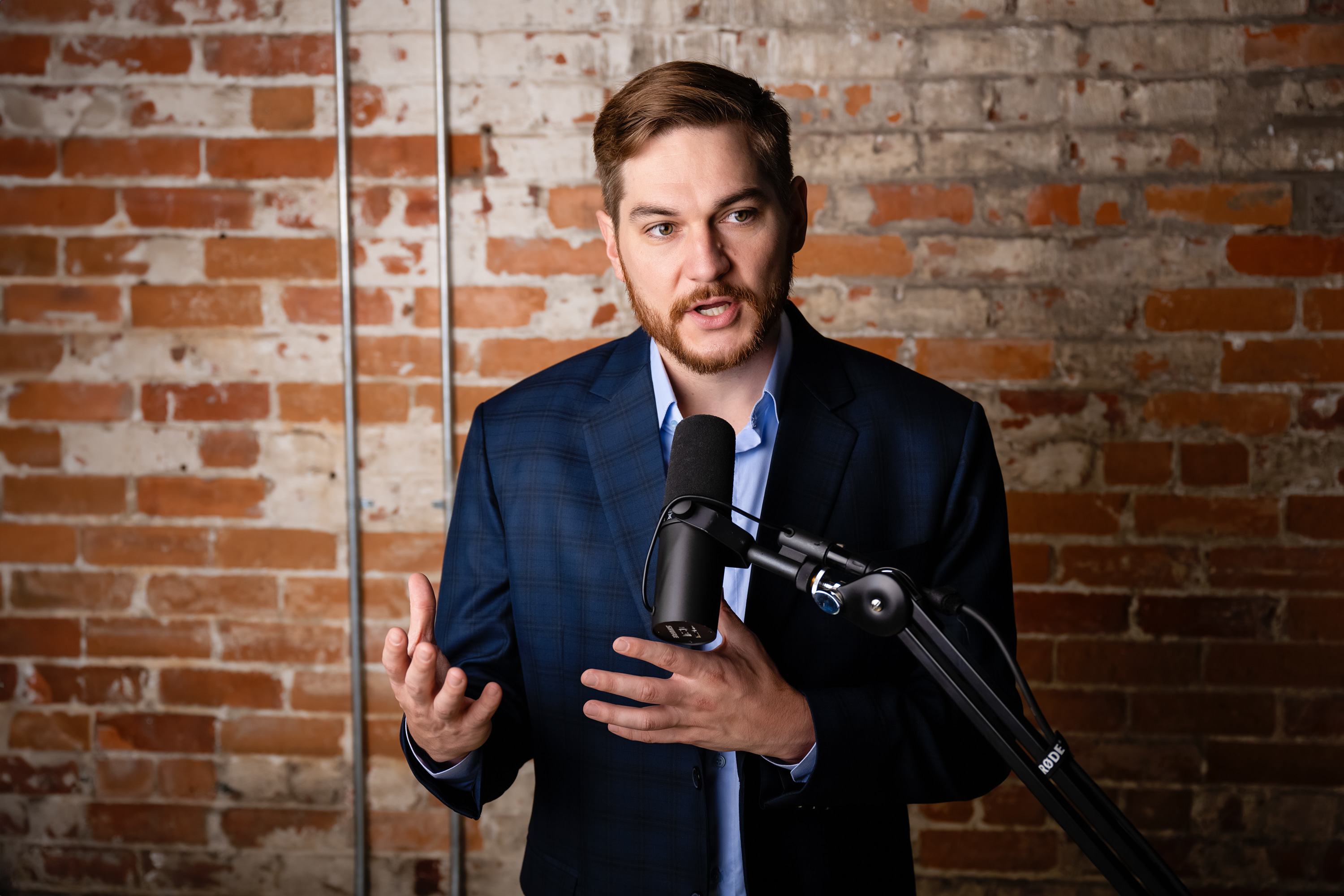
Jared has spent over a decade coaching poker players on the parts of the game that don't live in a solver — performance, pressure, decision-making under tilt, and the life around the game that quietly decides how well you play.
His clients include WSOP bracelet winners and high-stakes professionals. The client-centered approach at the heart of this course is the one he's built his own practice on.
From the Last Cohort
“I joined Jared's program for coaches because I wanted to get better at helping other players, not just competing against them. What surprised me was how much it sharpened my own game in the process.”
“This program opened my eyes to fresh perspectives that I now consider fundamental to how I approach coaching. On top of that, the exercises and discussions as a group were very valuable.”
The Details
Starts the first week of October — the exact day is set with the group once everyone's in.
Limited to 10 coaches
Questions
No, but you should be close. The peer practice means you'll be coaching from week one regardless. People who arrive with a few clients get the most out of it, because they have live material to bring — but a strong player about to start coaching is a good fit too.
Roughly three to four hours: the session content, the live group call, and your peer coaching session. The private sessions with Jared are scheduled separately around your availability.
The examples and the practice come from poker, and everyone in the room will be a poker coach. The approach itself isn't poker-specific — it comes out of client-centered therapy and applies anywhere someone is trying to help another person grow.
Calls are recorded, so one miss isn't fatal. But the live discussion and the peer sessions are where the learning actually happens — if you already know you'll miss several weeks, wait for a later cohort.
We pair you, and rotate through the cohort as the weeks go on. Coaching people with different styles and different problems is a large part of the value — you'll work with most of the room by the end.
You'll hear from Kevin and Jared directly. We have a short conversation to make sure the room is right for you and you're right for the room, then sort out the practical details. Ten seats means we'd rather take the time to get it right.
Apply
Leave your details and Kevin and Jared will get back to you personally to talk it through and answer anything this page didn't.
Got it — Kevin and Jared will be in touch personally within a couple of days.